

If you've had gumbo made the old way, there's a good chance dried shrimp went into that pot. It’s one of those Louisiana ingredients that feels like it has always been there, but its history actually goes back to Filipino fishermen who came up with a clever way to preserve shrimp. Long before that, fresh shrimp didn’t last very long, especially in Louisiana’s heat and humidity.
A tour we think you'll love
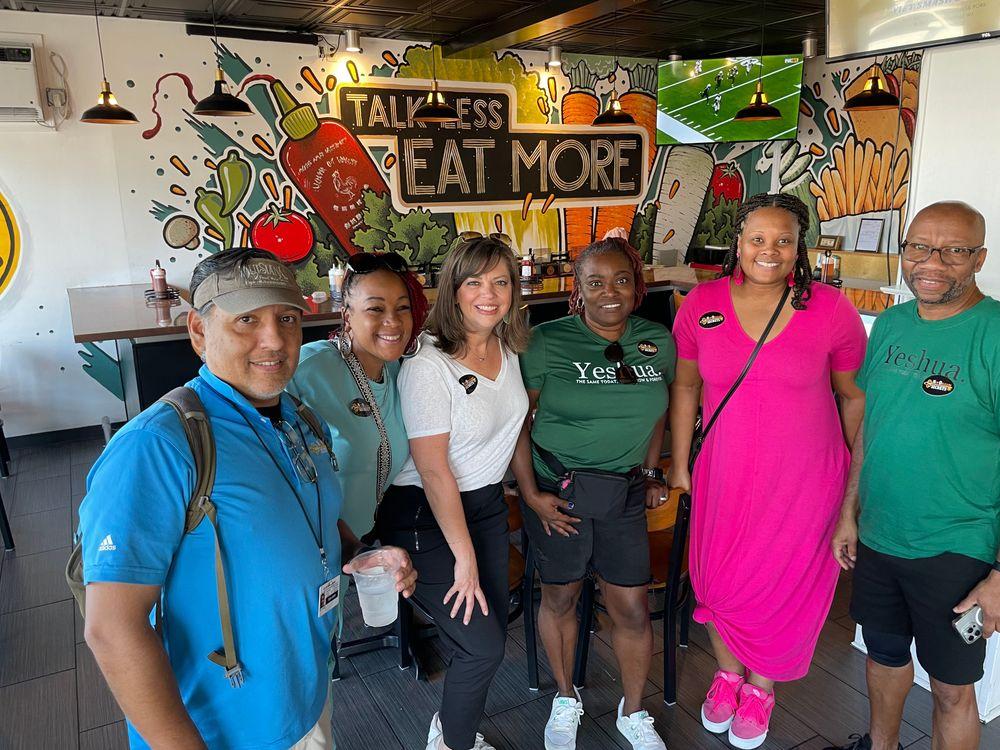
Magazine Street Foodie Tour
A Problem Nobody Else Had Solved
Louisiana's coast has always been full of shrimp. The problem was keeping them fresh. Before refrigeration, shrimp caught in the Gulf heat could spoil within hours, making them difficult to sell or ship very far. Filipino settlers, first at St. Malo and later at Manila Village in Barataria Bay, changed that by introducing a preservation method they'd brought with them across the Pacific: boiling the shrimp in brine, then spreading it across massive drying platforms, some the size of a football field, to cure in the sun.
That alone was clever. What came next is the part that stuck in Louisiana's memory.
The Shrimp Dance
Once the shrimp were dried, there was still one annoying problem: getting the shells off. Doing it by hand would have taken forever. So the Manilamen came up with a much more practical solution. Workers covered their feet with canvas or burlap and walked across piles of dried shrimp, using the movement to crack the shells away from the meat.
And apparently, it looked a lot like dancing. People started calling it the “shrimp dance.”
According to Verite News, the process involved boiling the shrimp in brine, drying them in the sun, and then walking over them until the shells broke apart. It wasn’t exactly glamorous work, but it turned shrimp that would have spoiled in hours into something that could be stored and shipped much farther.
Did You Know? By the late 1800s, Louisiana was exporting millions of pounds of dried shrimp each year, including shipments sent back across the Pacific to Asian markets.
From the Swamp to Every Kitchen in Louisiana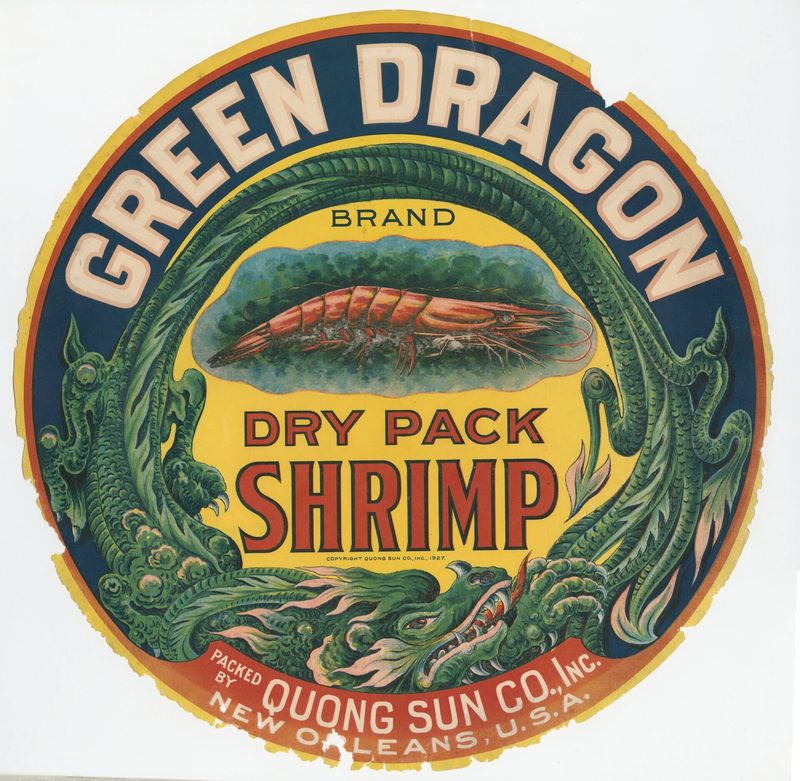 Dried shrimp didn’t just become another ingredient in Louisiana. It became part of the local kitchen. The kind of thing a grandmother could toss into gumbo, jambalaya, or greens without a second thought, because it had always been there. You can still find little packets of dried shrimp in South Louisiana grocery stores today, a small reminder of what started on those drying platforms in Barataria Bay.
But the Manilamen left behind more than an ingredient. The shrimp industry they helped build became part of Louisiana’s identity and laid the groundwork for the $1.3 billion shrimping industry it has today. Their story didn’t end with the first boats or drying platforms. You can still taste it, see it in the industry, and find it in the families who carry that history forward. That’s the kind of legacy that doesn’t stay in a history book. It becomes part of New Orleans.
A Taste of the Real Story
We love telling this story on our food tours, because it changes how you taste the city. Gumbo isn't just a French, Spanish, and West African dish, it's got Filipino fingerprints all over it too, hiding in plain sight in the dried shrimp that's been part of the recipe for generations.
That's the kind of layered history we build our Magazine Street Foodie Tour and Beyond the French Quarter Food Tour around: real dishes, real history, told by guides who actually live here.
If you want to taste New Orleans the way locals do, and hear the stories behind the ingredients most visitors never think to ask about, join us for a food tour. You'll never look at a bowl of gumbo the same way again.
Explore our food and cocktail tours and let a local guide show you the New Orleans that's still being written, one restaurant at a time.